
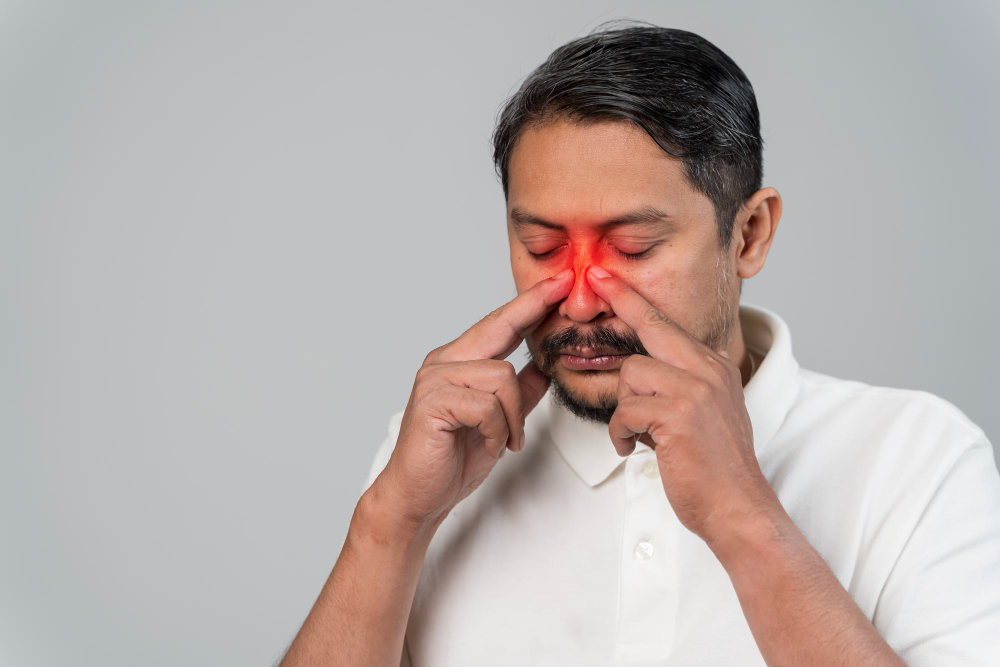
What is Sinusitis?
Sinusitis is a common health problem. It happens when the spaces inside your nose and head, called sinuses, become swollen or infected. Because of this swelling, many people feel facial pain and nasal congestion. Often, these symptoms keep coming back, making daily life uncomfortable. Sinusitis can be short-term or last for weeks. In some cases, it becomes chronic, meaning it does not go away easily. According to the Centers for Disease Control and Prevention (CDC), millions of people in the United States deal with sinusitis each year.
Common Symptoms
Sinusitis can cause many symptoms. However, facial pain and nasal congestion are the most common. These symptoms can make it hard to breathe, sleep, or focus. In addition, you may notice other signs.
Sometimes, these symptoms get better but then return. This can be a sign of chronic or recurring sinus infections.
Main Causes of Sinusitis Recurrence
Many people wonder why facial pain and nasal congestion keep coming back. There are several reasons why sinusitis may return. For example, allergies can trigger swelling in the nose. In other cases, a cold or flu can start a sinus infection. Sometimes, the shape of your nose or sinuses makes it easier for infections to return. According to the American Academy of Otolaryngology, these are common causes:
Because these problems can last, sinusitis may keep coming back unless the root cause is treated.
How Sinusitis is Diagnosed
Doctors use several steps to diagnose sinusitis. First, they ask about your symptoms, such as facial pain and nasal congestion. Next, they may look inside your nose with a small light. Sometimes, a doctor will gently press your face to check for tenderness. In some cases, they may order tests. For example, a CT scan or MRI can show if your sinuses are blocked. If infections keep coming back, your doctor may suggest allergy tests. According to the CDC, most cases do not need special scans unless symptoms are severe or do not improve.
Treatment Options
There are many ways to treat sinusitis. Medical treatments and home remedies can help ease facial pain and nasal congestion. For mild cases, home care may be enough. However, if symptoms last more than 10 days or keep coming back, you may need medicine.
Because each person is different, your doctor will suggest the best treatment for your needs.
Lifestyle Tips to Reduce Recurrence
Making small changes at home can help prevent sinusitis from coming back. For example, keeping your home clean can lower your risk of allergies. In addition, you can try these tips:
Because these steps are simple, they can make a big difference in your daily comfort.
Prevention Strategies
Preventing sinusitis is possible with a few healthy habits. First, avoid triggers like smoke and allergens. Next, treat colds early to stop them from turning into sinus infections. In addition, keep your nose moist with saline sprays, especially in dry weather. According to the World Health Organization (WHO), staying up to date on vaccines, such as the flu shot, can also help lower your risk. Finally, see a doctor if you have frequent sinus infections, as you may need special care or allergy treatment.