
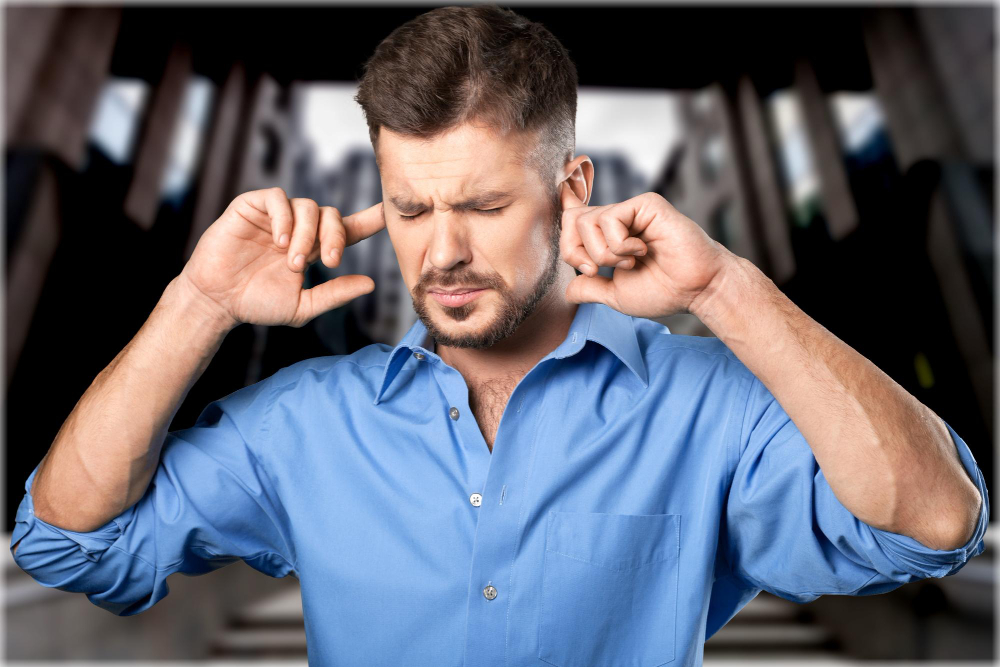
What Is Hearing Loss?
Hearing loss means you cannot hear sounds as well as you once did. For many people, this change happens slowly. As a result, it can be easy to miss the early signs. According to the World Health Organization (WHO), over 1.5 billion people worldwide have some degree of hearing loss. In many cases, early detection helps protect your hearing health. Because of this, it is important to know what to watch for.
Common Early Warning Signs of Hearing Loss
Often, the first signs of hearing loss are subtle. However, paying attention to these changes can make a big difference. Here are some early warning signs you should not ignore:
For example, if you notice these signs in yourself or a loved one, it may be time to check your hearing. Early signs of hearing loss can appear at any age, so everyone should stay alert.
Causes and Risk Factors
Hearing loss can happen for many reasons. Some causes are temporary, while others are permanent. Understanding the risk factors can help you protect your hearing health.
Because some causes can be prevented, it is important to know your risk. In cities with high noise levels, such as New York or Los Angeles, people may face a greater risk of noise-induced hearing loss.
How Hearing Loss Is Diagnosed
Doctors use several methods to check for hearing loss. First, they will ask about your symptoms and health history. Then, they may look inside your ears to check for blockages or infection. Next, a hearing test called an audiogram measures how well you hear different sounds.
For children and adults, early testing is key. According to the Centers for Disease Control and Prevention (CDC), early diagnosis can help prevent further hearing damage. If you notice any early signs of hearing loss, do not wait to get checked.
When to See a Doctor
If you notice any warning signs, it is important to see a doctor or hearing specialist. For instance, if you have sudden hearing loss, seek help right away. Sometimes, hearing loss can be caused by a treatable problem, such as earwax buildup or infection. In other cases, early treatment can help slow down permanent hearing loss.
Because early care can make a big difference, do not ignore these symptoms. Hearing health experts in your area can offer tests and advice.
Tips for Protecting Your Hearing
Protecting your ears is important for everyone. Even small steps can help prevent hearing loss. Here are some simple tips:
For example, using noise-canceling headphones can help protect your ears in busy cities. Because hearing loss can affect anyone, these steps are helpful for all ages.