
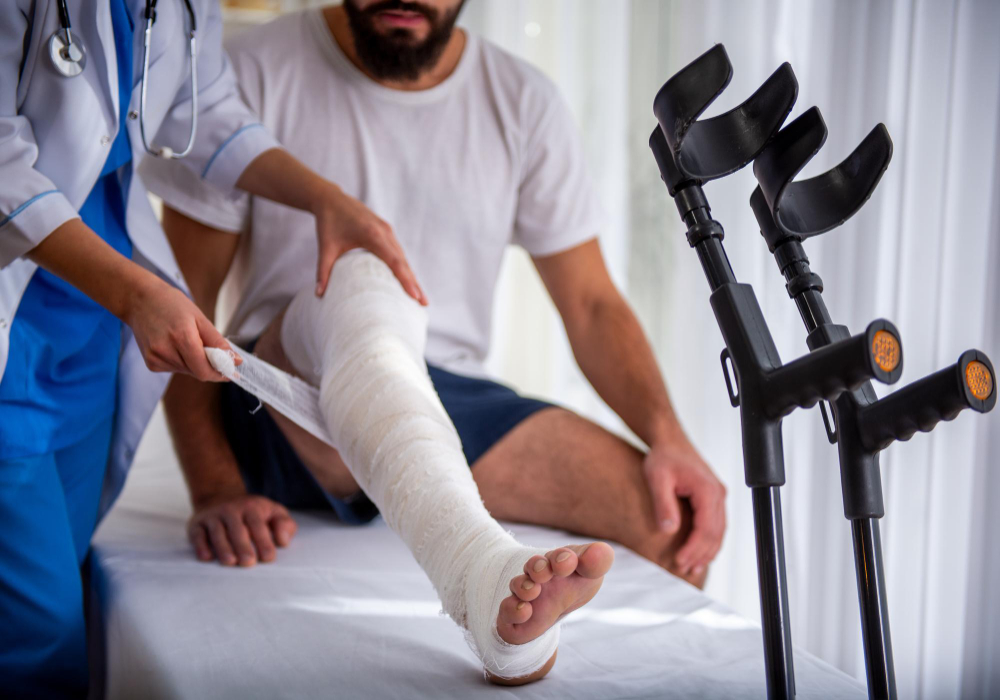
What Is a Bone Fracture?
Fracture recovery starts after a bone breaks or cracks. A bone fracture means the bone has lost its normal shape or structure. Usually, doctors use X-rays to check the injury. Sometimes, you may hear the word “break” instead of “fracture.” Both words mean the same thing. While some fractures are simple, others may be more complex. In any case, proper care is important for healing.
Common Causes of Bone Fractures
Many things can lead to a bone fracture. For example, falls are a top cause in both children and older adults. In addition, sports injuries often result in broken bones. Sometimes, car accidents or direct hits can also break bones. Certain health problems, like osteoporosis, make bones weaker. As a result, even a small bump may cause a fracture. The World Health Organization notes that bone strength drops with age, raising the risk for older people.
The Stages of Fracture Recovery
After a bone injury, the body starts the bone fracture healing process. First, swelling and pain appear as the body protects the area. Next, new bone tissue forms to join the broken parts. Over time, the bone becomes strong again. However, healing can take weeks or even months. During this time, following your doctor’s advice is key. For many people, the recovery process includes several stages:
Why Rehabilitation Is Essential After a Bone Injury
Rehabilitation after bone injury is vital for full recovery. Without rehab, joints and muscles may become stiff or weak. As a result, you may not move as well as before. For children and adults alike, rehab supports safe and steady healing. Most doctors recommend starting gentle exercises as soon as it is safe. This helps you return to daily life faster.
Key Rehabilitation Techniques for Fracture Recovery
Many rehab techniques help with fracture recovery. Physical therapists often guide you through these steps. For example, they may teach you gentle stretches to keep joints flexible. In addition, strength training helps rebuild weak muscles. Balance exercises can also reduce the risk of falls. Sometimes, therapists use special tools or machines. These methods support the bone fracture healing process and help you move better.
Tips for a Successful Recovery at Home
At home, you can support your recovery in many ways. First, always follow your doctor’s instructions. In addition, keep the injured area clean and dry if you have a cast. Eating foods rich in calcium and vitamin D helps bone healing. For example, milk, cheese, and leafy greens are good choices. Rest is important, but gentle movement is also needed. If you feel pain or swelling, use ice packs as advised. Most importantly, let your care team know if you notice any new problems.
Preventing Future Bone Injuries
After a fracture, it is wise to prevent future injuries. For example, keep your home free of tripping hazards. In addition, wear proper shoes with good grip. Regular exercise keeps bones and muscles strong. If you have weak bones, ask your doctor about bone health checks. The WHO recommends getting enough calcium and vitamin D each day. By taking these steps, you can lower your risk of another bone injury.
Conclusion
If you are healing from a bone fracture, Dr.Shamitha is here to help. Schedule a visit with Dr. Shamitha to start your personalized recovery plan today.